Powell River Top General Contractor for Reliable Building Solutions
Powell River Top General Contractor for Reliable Building Solutions
Blog Article
General Contractor: Your Optimal Partner for Household Endeavors
A general contractor fulfills an essential role in residential construction. They manage different elements of construction, ensuring that all operations proceed without issues. Their expertise in building codes and standards allows them to handle the intricacies of permits and assessments. This expert serves as a vital link between homeowners and subcontractors. However, many homeowners remain uncertain about the full scope of their offerings. Comprehending these specifics can greatly impact the success of any remodeling endeavor.
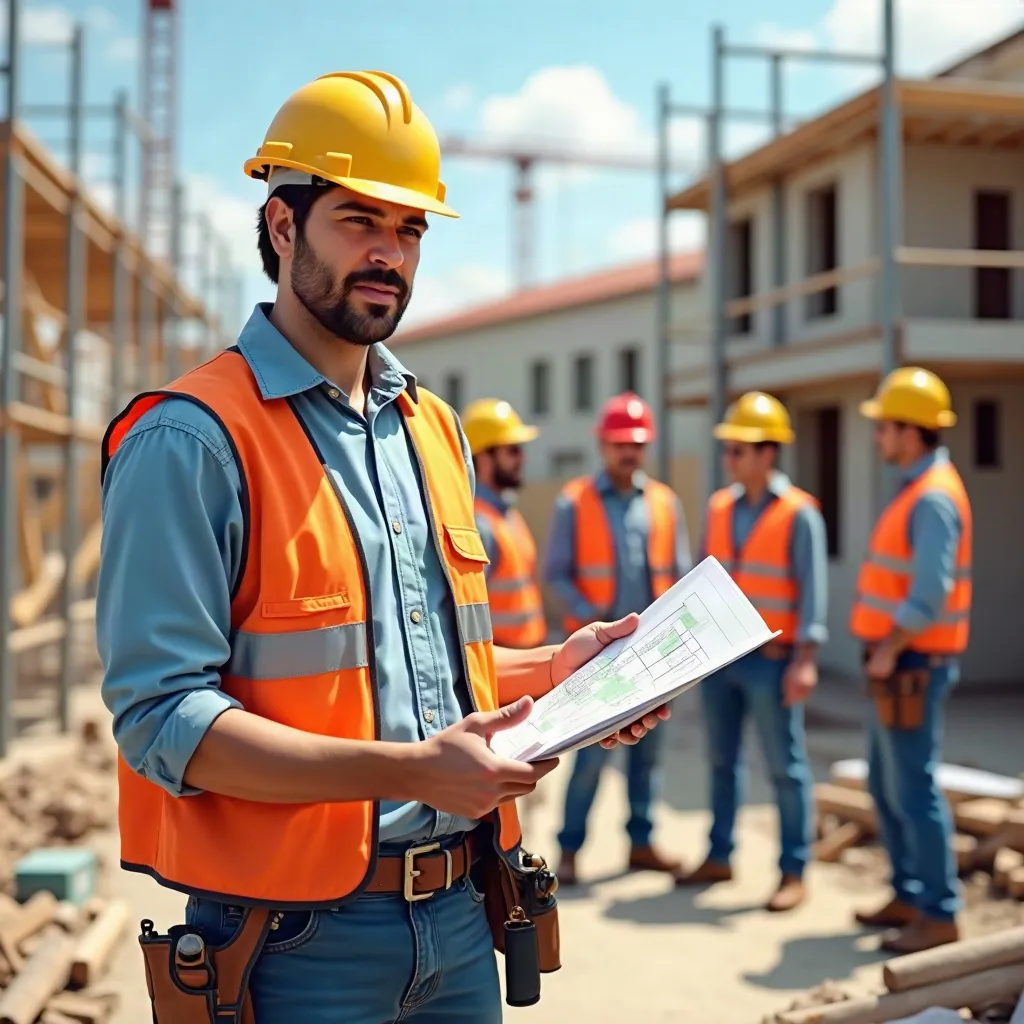
Which Functions Does a General Contractor Do?
A construction coordinator manages the diverse facets of a construction project, ensuring that all operations flow without issue from opening to closing. They serve as the main point of contact, directing communication between clients, subcontractors, and distributors. This function involves planning the project timeline, coordinating labor, and upholding compliance with local building codes and regulations.
General contractors are responsible for obtaining necessary permits and scheduling inspections, which are vital for upholding safety and quality benchmarks. They also manage budgeting, sourcing materials, and managing on-site activities to prevent any possible setbacks or complications. In addition, they oversee subcontractors, ensuring that each phase of construction aligns with project specifications and timelines. Overall, a general contractor's knowledge and management abilities are crucial for completing a successful construction project, turning a client's vision into reality while managing multiple duties and obligations.
Advantages of Working with a General Contractor for Home Updates
Bringing on a a skilled builder for property remodeling provides many benefits that can substantially enhance the efficiency and quality of the project. Experienced contractors bring knowledge in overseeing projects, guaranteeing timelines are met and resources are allocated efficiently. Their strong relationships with trade specialists can produce competitive rates and superior workmanship, which in the end saves homeowners money and time.
Also, building managers supervise the intricate details of permits and inspections, curtailing prospective legal complications. They also provide a sole representative, easing correspondence and cooperation among different professionals. This streamlining reduces the likelihood of misunderstandings and delays.
Moreover, their experience permits them to predict potential challenges, making possible proactive solutions to keep the project on track. By retaining a general contractor, homeowners can prioritize their vision while enjoying peace of mind, recognizing that a professional is supervising every aspect of the renovation.
Refuting False Notions About General Contractors
Although many homeowners may have erroneous ideas about general contractors, grasping the facts can lead to more informed decisions. A common myth is that hiring a general contractor is not essential for minor projects; still, their proficiency can ease even small-scale renovations, ensuring conformance with local codes. Another frequent belief is that contractors are just middlemen, but they often have comprehensive knowledge in different fields, allowing them to direct projects efficiently. Moreover, some homeowners assume that working with a contractor will significantly increase costs. In reality, a experienced general contractor can often obtain better pricing for materials and labor through established relationships with suppliers and subcontractors. Lastly, many think that general contractors are inflexible, but trusted contractors focus on client communication and work closely to satisfy particular needs. Dispelling myths can empower homeowners to harness the actual value of contractors when completing positive home projects.
Finding the Perfect General Contractor?
How can property owners ensure they select the right general contractor for their projects? The approach begins with comprehensive investigation. Property owners should obtain recommendations from friends, family, or online reviews to locate qualified contractors. Once a list is created, confirming credentials, such as licensing, insurance, and bonding, is vital to confirm credibility.
Next, clients should solicit and assess samples of prior projects, focusing on projects similar in scope. Setting up interviews allows homeowners to determine suitability, discussing timelines, budgets, and expectations. It's also advisable to obtain multiple quotes for contrast, providing a transparent view of pricing.
Reviewing references gives perspective on a contractor's reliability and professionalism. Ultimately, relying on your gut feeling is important; an first consultation can uncover a contractor's communication style and approach. By adhering to these guidelines, homeowners can substantially improve their likelihood of picking a general contractor who matches their project needs and vision.
Effective Dialogue Strategies With Your General Contractor
How might homeowners employ approaches to maintain proper interaction with their general contractor? Initiating open dialogue from the commencement is vital. Homeowners must explicitly state their expectations, project objectives, and cost parameters during opening conversations. Frequent communications can be facilitated through arranged gatherings, confirming that both parties stay coordinated throughout the project.
Applying documented evidence, such as emails or project logs, reinforces verbal agreements and minimizes misunderstandings. Homeowners should likewise foster transparent dialogue by inviting feedback and questions from the contractor, establishing a cooperative setting.
In useful tips addition, harnessing technology, such as project management apps, can improve communication by supplying a centralized platform for sharing updates, timelines, and changes. Finally, acting respectful and welcoming can enhance camaraderie, allowing it less difficult for the contractor to articulate challenges or suggestions effectively. By utilizing these strategies, homeowners can build up a rewarding and forthright bond with their general contractor.
What to Expect When Your Initiative Begins?
As the initiative begins, homeowners can expect a flurry of work on-site. The general contractor will coordinate teams of skilled tradespeople, such as electricians, plumbers, and carpenters, who will begin their work according to the predetermined schedule. Homeowners may observe heavy machinery and materials being brought in, creating a bustling environment.
Maintaining communication is critical during this phase. The contractor will furnish updates on work being done and tackle any concerns that come up. Homeowners should get ready for potential disturbances, such as noise and reduced access to certain areas of the home.
Safety measures will be in place to defend both workers and residents, confirming a secure environment. Additionally, homeowners may be encouraged to maintain flexibility, as unexpected circumstances can arise, necessitating adjustments to the original plan. Overall, this initial phase sets the stage for the successful completion of the project, and active engagement is essential.
Key Topics for Your Primary Contractor Agreement?
Selecting the proper topics to raise when finalizing a general contractor agreement is necessary for confirming a successful project. Homeowners should request information about the contractor's certification and protection to confirm their background and protection against obligations. Understanding the project schedule and stages is essential; therefore, asking about anticipated completion dates helps establish expectations.
It is also vital to define financial conditions, encompassing deposit amounts and payment schedules, to avert misunderstandings. Residents should seek a thorough accounting of fees, embracing components and services, to assure transparency. Moreover, talking through the process for managing adjustments or unforeseen issues can circumvent disagreements afterwards.
To wrap up, homeowners must find out about the experience of subcontractors, as well as the communication methods of the contractor throughout the project. By tackling these questions, property owners can maintain a strong partnership with their general contractor, ultimately enabling a successful home improvement project.
Often Requested FAQs
What Methods Do General Contractors Use to Invoice for Their Services?
Contractors commonly assess fees by way of flat fees, hourly rates, or a percentage of the total project cost. Their costs may also contain materials, work performed, and business expenses, based on the project's complexity and scope.
Can a General Contractor Assist With Documentation and Evaluations?
Yes, a general contractor can assist with securing permits and managing inspections. They typically handle local codes and ensure adherence, streamlining the process for homeowners while enabling necessary approvals throughout the building project.
What Qualifications Should I Locate in a General Contractor?
When picking a general contractor, one should review qualifications such as licensing, insurance, experience in relevant projects, strong references, and effective communication skills, ensuring they demonstrate the essential qualifications to manage the project successfully.
How Long Does a Common Home Renovation Job Take?
A routine home renovation work can extend anywhere from a few weeks to several months, influenced by the scope, difficulty, and size of the project, as well as the stock of materials and labor.
What Occurs if My Initiative Overshoots Cost Allowance?
Should a project exceed the budget, the builder typically discusses the reasons and options with the homeowner. Adjustments may include scaling back, pursuing more funds, or adjusting the project parameters to conform to budget constraints.
Report this page