Dunellen General Contractor Delivering Reliable Construction Services
Dunellen General Contractor Delivering Reliable Construction Services
Blog Article
Why Picking the Correct General Contractor Is Vital for Your Project
Choosing the right construction professional is a pivotal decision that can greatly impact a project's outcome. A qualified contractor ensures effective oversight and adherence to financial limits. Their capacity to handle challenges and maintain clear dialogue is vital. However, many construction owners ignore critical elements in this hiring process. Understanding these elements can lead to better results and increased satisfaction. What should one consider when determining this significant decision?
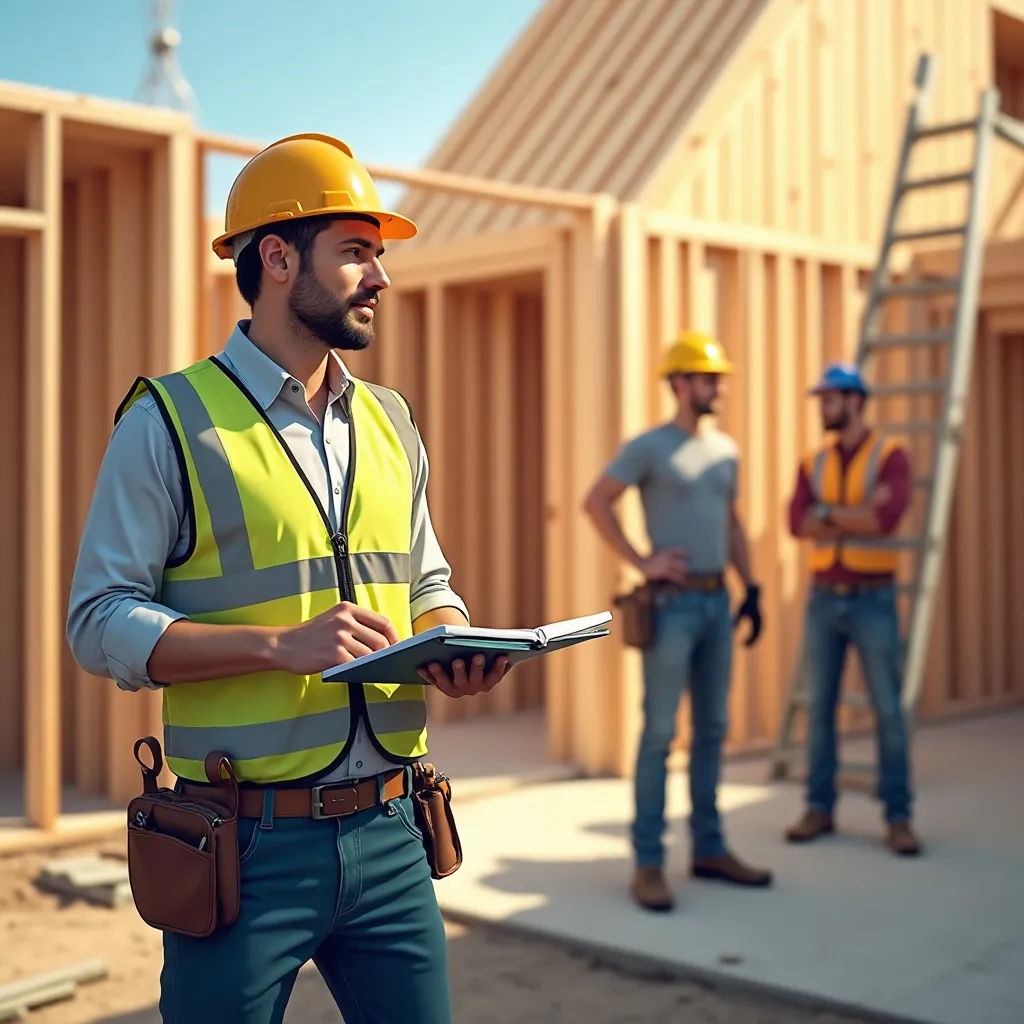
Common Challenges in Picking a General Construction Professional
When selecting a general contractor, prospective customers often encounter several common challenges that check article can complicate the decision-making process. One significant hurdle is the overwhelming number of options available, which can lead to confusion and indecision. Clients may find it hard to distinguish among contractors based on qualifications, experience, and pricing, making it challenging to determine who will best satisfy their construction requirements.
One issue is the lack of transparency in contractor estimates, where undisclosed charges may manifest later, changing the project spending. In addition, clients may encounter difficulties surrounding communication; some contractors may fail to maintain client awareness during the execution, producing frustration. Lastly, clients often deal with confirming a contractor's references and prior work, which can generate uncertainty regarding the standard of service expected. These complications necessitate careful consideration and research to assure the right choice is made.
Why a Dependable Building Contractor Is Critical
A reliable general contractor plays a crucial role in guaranteeing project management efficiency and maintaining quality assurance standards. Their skill helps streamline processes, minimizing delays and costs. Additionally, a dependable contractor upholds high standards, resulting in excellent construction work and client contentment.
Boost Initiative Oversight Speed
Effective project management copyrights on the dependability of a general contractor. A dependable contractor guarantees that timelines are met, resources are distributed effectively, and communication flows smoothly among all stakeholders. Their ability to coordinate subcontractors, suppliers, and laborers directly impacts the advancement and ultimate success of the project. A dependable contractor foresees problems, acts quickly to resolve them, and stays focused on the objectives, minimizing setbacks and budget excesses. This effectiveness creates a cooperative atmosphere that enables modifications and enhancements when required. Ultimately, the general contractor's dependability enhances not only the operational aspects of the project but also the confidence among clients and team members, ensuring all parties stay aligned towards a favorable result.
Quality Control Standards
Trustworthy construction professionals play a critical role in upholding quality assurance standards throughout the project duration. They assure that the work follows established guidelines and industry best practices, essential for the durability and safety of the structure. A competent contractor oversees materials and workmanship closely, conducting routine inspections to spot and correct issues promptly. This proactive method mitigates risks connected with poor construction, ultimately safeguarding the investment. Additionally, a reliable contractor promotes communication between all stakeholders, ensuring expectations are transparent and met. Prioritizing quality assurance, a skilled general contractor not only betters the final product but also develops client trust, forming the basis for successful project completion.
Analyzing a Service Provider's Experience and Reputation
When selecting a general construction firm, knowing their experience and reputation is essential, as these aspects heavily influence project results. A contractor's experience typically reflects their competence to handle various kinds of projects, challenges, and difficulties. Reviewing their work samples provides insight into previous work, showcasing quality workmanship and careful attention to specifics.
Furthermore, reputation plays a vital role in building trust. Prospective clients should look for web-based feedback, testimonials, and references to assess satisfaction levels from previous clients. Communicating with past customers can reveal the contractor's reliability, communication skills, and adherence to timelines and budgets.
Additionally, trade memberships and qualifications can strengthen a contractor's credibility, revealing a pledge to high standards and ethical practices. By thoroughly evaluating both background and standing, clients can make informed decisions, in the end setting the stage for a successful construction project.
Essential Characteristics of a Dependable Contractor
A dependable contractor consistently exhibits honesty, openness, and excellent interpersonal abilities. These vital traits create the foundation of a successful professional partnership. Integrity ensures the contractor adheres to ethical practices, offering honest evaluations and practical schedules. Openness entails fully disclosing project details, including costs and potential challenges, building trust between the contractor and the client.
Excellent interpersonal abilities enable the contractor to effectively express ideas, listen to client needs, and resolve any issues that emerge during the project. In addition, a trustworthy contractor exhibits flexibility, adjusting to modifications and unexpected circumstances with poise and flexibility. Attention to detail is another important trait; it demonstrates a commitment to quality and accuracy in every aspect of the work. At the end of the day, these traits not only boost project outcomes but also contribute to a positive relationship for clients, making the hiring of a trustworthy contractor all the more critical.
Important Questions for Bringing On Your General Contractor?
How might one ensure they pick the appropriate general contractor for their assignment? By asking a series of targeted questions, potential clients can better assess candidates. To start, inquiring about the contractor's experience with similar projects offers insight into their expertise. It's also vital to ask for references; talking with previous clients can uncover the contractor's dependability and quality of work.
Then, reviewing licensing and insurance confirms that the contractor meets legal requirements and protects the client from conceivable liabilities. Clients must also question timelines and project management strategies to determine how the contractor plans to execute the project efficiently.
Budget meetings are vital; requesting a detailed quote prevents unexpected expenses later. Finally, grasping the contractor's communication style preferences can set the groundwork for a successful partnership. By tackling these key questions, clients can choose wisely in selecting their general contractor.
Why Communication Matters With Your Contractor
Effective engagement with a contractor is important for project achievement. Defining clear expectations and offering timely updates can eliminate miscommunications that often lead to costly delays. Additionally, encouraging an open dialogue establishes trust, securing a better working relationship throughout the building process.
Clear Expectations Establish Success
Creating well-defined expectations is crucial for a successful partnership with a general contractor. Strong communication establishes the basis for understanding the objectives, schedules, and budget limitations of the project. When both parties voice their needs and concerns, it reduces the risk of misunderstandings that could derail progress. A contractor who is aware of the specific requirements can allocate resources efficiently and address potential challenges in advance. Moreover, clarity in expectations fosters accountability, guaranteeing that the contractor keeps promises and that the homeowner remains involved throughout the process. By emphasizing open dialogue from the beginning, clients can improve collaboration and satisfaction, ultimately leading to a more streamlined project completion. Clear expectations not only streamline operations but also build trust between the homeowner and the contractor.
Rapid Updates Stop Misunderstandings
Establishing distinct parameters builds the foundation for successful collaboration, yet regular contact is absolutely important. Consistent reports from a project manager can prevent misunderstandings that could happen throughout a assignment. If construction firms consistently deliver progress information, customers stay informed of timelines, budget revisions, and conceivable impediments. Such proactive engagement functions to harmonize each party's objectives and decreases the risk of disagreements in the future. In addition, when challenges surface, rapid communication permits speedier resolutions, maintaining the project moving forward. Through developing a atmosphere of honest communication, builders illustrate their commitment to the work's achievement, in the end creating a more efficient workflow and higher client satisfaction. As a result, prompt updates serve as a vital element in maintaining clarity and trust during the building process.
Open Conversation Builds Trust
During a project's progression, maintaining an open dialogue with the lead contractor becomes crucial for fostering reliance and partnership. Effective communication promises that all stakeholders have a precise understanding of expectations, timelines, and potential challenges. When contractors and patrons participate in regular discussions, it allows for the spotting of issues before they multiply, minimizing setbacks. This openness not only builds confidence but also strengthens the overall project experience. Additionally, an open line of communication encourages commentary, enabling the contractor to make refinements that satisfy the client's vision. Finally, powerful dialogue forms a base of reciprocal appreciation, which is necessary for the proper completion of any construction project. Trust nurtured through dialogue leads to better outcomes for everyone involved.
Frequently Posed Questions
What steps should I take to validate if a Contractor has a valid License?
To check if a contractor is licensed, one should check local licensing boards or websites, verify their license number, and ensure it's active. Additionally, examining customer feedback can offer insight into their credibility and reliability.
What Insurance Should My Contractor Obtain?
A professional should carry all-encompassing liability coverage, worker protection insurance, and, if applicable, negligence liability protection. These cover potential damages, job injuries, and quality failures, ensuring financial protection for both the contractor and the purchaser.
How Do I Validate a Service Provider's Past Work?
To confirm a contractor's references, one should demand a list of previous clients, connect with them directly, and explore their experiences. Furthermore, investigating online reviews and ratings can present valuable insights into the contractor's reliability.
What Ought I Execute if Challenges Emerge During the Initiative?
If problems occur during the project, one should document the problems, communicate directly with the contractor, and find a solution. If necessary, involving a third party or consulting a legal professional may also be suitable.
Do You Need to Identify Problem Indicators During the Employment Selection Process?
Caution signs throughout the hiring process encompass imprecise estimates, lack of references, substandard communication, inadequate licenses, and negative online reviews. These indicators suggest conceivable complications that could impact the project's quality and timeline.
Report this page